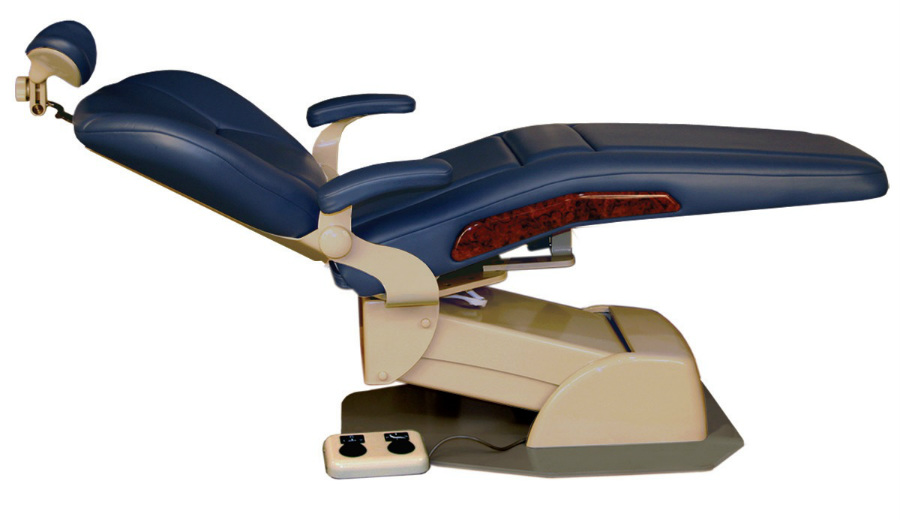
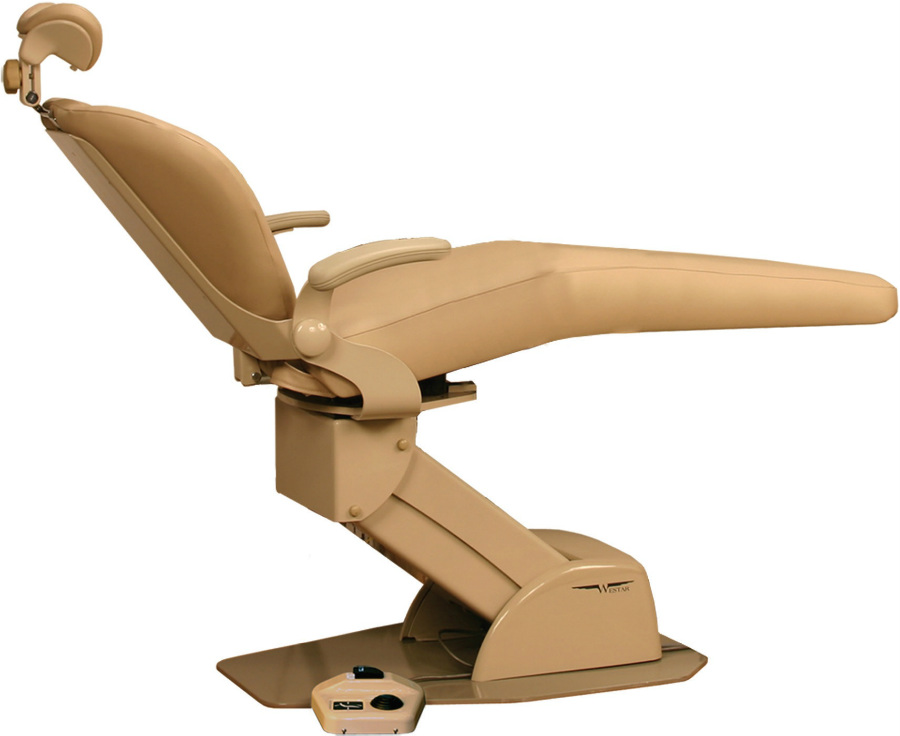
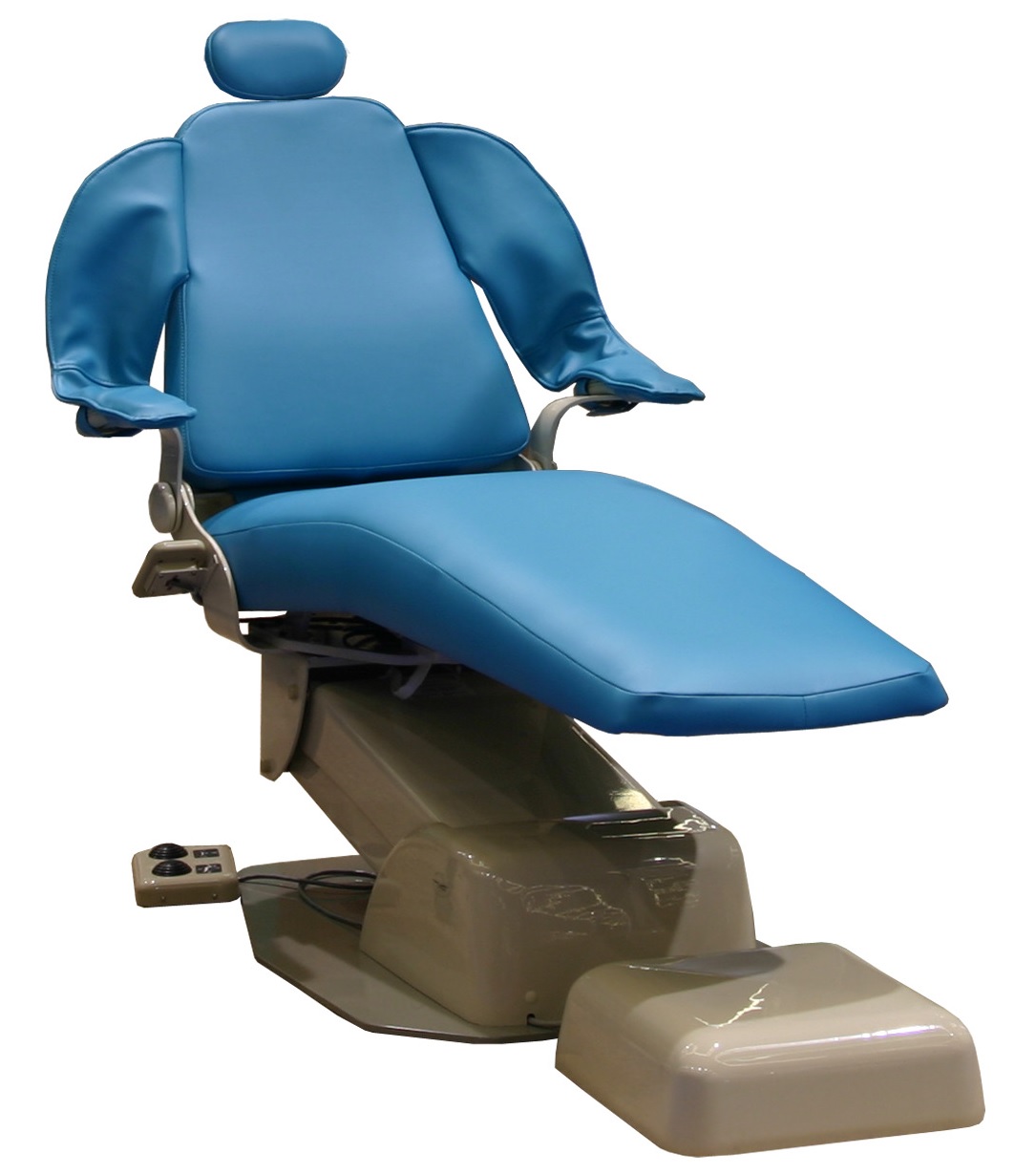
Best Dental Operatory Chairs for Smart Buyers
If your chair is hard to position, uncomfortable after a full day, or already costing you service calls, it is not just an equipment problem. It is a production problem. The best dental operatory chairs help you move faster, seat patients better, protect your team ergonomically, and avoid paying premium prices for features your practice will never use.
A lot of buyers get pushed toward whatever package a big distributor wants to move. That is rarely the smartest way to shop. A dental operatory chair is a long-term capital purchase, so the right choice comes down to fit, reliability, support, and total value over time - not just the sticker price and not just the brand name.
What makes the best dental operatory chairs
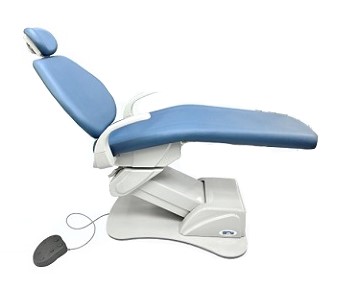
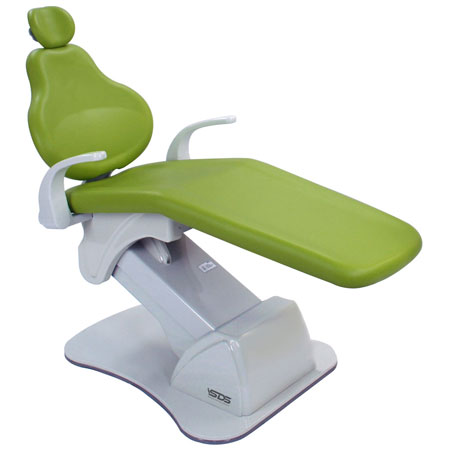
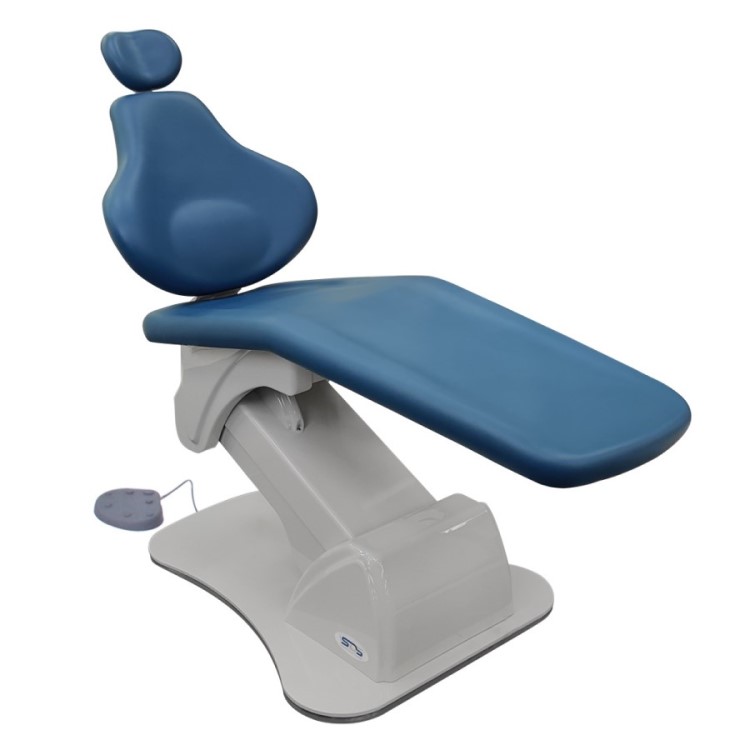
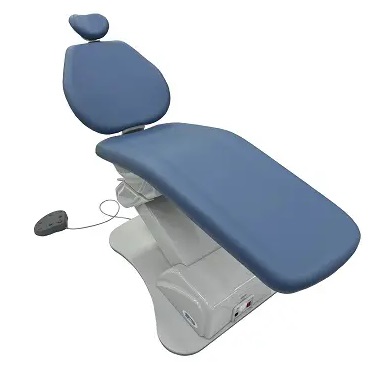
The best dental operatory chairs are not always the most expensive models on the market. For most private practices, the real goal is dependable daily performance. You want a chair that positions smoothly, supports the patient well, gives the doctor and assistant proper access, and holds up under constant use without becoming a maintenance headache.
That means looking closely at the fundamentals. Upholstery quality matters because cracked seams and worn cushions show up fast in busy operatories. Base stability matters because shaky movement affects both patient confidence and clinical control. Weight capacity matters more than some buyers expect, especially in practices serving a broad patient population. Programmable positioning can be a major time-saver, but only if it is intuitive and durable enough to use all day.
Good chairs also support the way your team actually works. A practice focused on hygiene flow may prioritize quick entry and exit, slim back design, and patient comfort during longer appointments. A restorative-heavy office may care more about precise positioning, doctor access, and integration with lights, delivery systems, and assistant instrumentation. The right chair depends on procedure mix.
Best dental operatory chairs by buying priority
Most buyers are not really asking which chair is universally best. They are asking which chair is best for their budget, their treatment style, and their operatory layout. That is the better way to evaluate the category.
Best for startups and first offices
If you are opening your first practice, overspending on chairs can tie up capital you need elsewhere. Imaging, sterilization, handpieces, compressors, vacuums, and basic working inventory all compete for the same budget. In that situation, the best dental operatory chairs are often mid-range models from recognized manufacturers that give you core reliability without loading on luxury upgrades.
Look for a chair with strong positioning motors, solid upholstery, easy-to-clean surfaces, and compatibility with the rest of your operatory package. You may not need every advanced preset or premium upholstery option on day one. You do need a chair that looks professional, performs consistently, and does not eat into cash flow.
Best for high-volume general practices
A busy office needs equipment that can take repetition. In high-volume settings, a chair should move smoothly hundreds of times per week, recover quickly between patients, and stay comfortable across short and long procedures. Reliability moves to the top of the list.
This is where heavier-duty construction, quality hydraulics or electromechanical systems, and dependable service support become worth paying for. Saving money up front means very little if your chair creates downtime six months later. A productive operatory is worth more than a bargain that does not last.
Best for patient comfort and case acceptance
Patients may not understand your curing light or compressor, but they absolutely notice the chair. A comfortable chair can improve the whole feel of the appointment. That matters for anxious patients, longer procedures, cosmetic consultations, and any practice that wants the operatory to reflect a more premium standard of care.
Features that help here include thicker cushioning, better lumbar support, smoother articulation, and easier entry for older patients. A low minimum entry height can make a real difference in patient experience. If you treat seniors, surgical patients, or people with mobility concerns, accessibility should be part of the buying decision, not an afterthought.
Best for specialty workflows
Specialists should be even more selective. Oral surgery, endodontics, periodontics, and pediatric dentistry all place different demands on a chair. You may need a narrower back for access, special headrest articulation, stronger positioning control, or easier patient transfer capability.
This is why generic package buying can backfire. A chair that works fine in a routine general dentistry operatory may be inefficient in a specialty setting. The best fit is the one that supports your exact clinical workflow and keeps procedures moving cleanly.
Features worth paying for and features that are often oversold
Some upgrades earn their keep. Others look impressive in a quote and do very little for production.
Programmable chair positions usually make sense. They save time, reduce repetitive adjustment, and help maintain consistency from patient to patient. Quality upholstery is also worth the money because wear is visible, patient-facing, and expensive to ignore once it starts breaking down.
A strong headrest design is another feature buyers should take seriously. If your team constantly fights positioning, you lose time on every procedure. Slim-back designs can also be a smart investment because they improve legroom and clinician access, especially for smaller operatories.
On the other hand, some cosmetic upgrades and premium finish packages are nice but not essential. If your budget is tight, put money into mechanics, comfort, and long-term durability first. A beautiful chair that needs service too often is not a smart buy.
New, replacement, or full operatory package?
Your buying strategy should match the scope of the project. If you are replacing one failing chair in an otherwise functional room, compatibility matters more than anything. You need the new chair to work with your existing delivery setup, lighting, and room footprint.
If you are upgrading multiple rooms, standardization can make more sense. Matching chairs across operatories simplifies training, maintenance, and visual consistency. It can also create stronger pricing leverage when purchasing as a package rather than piece by piece.
For startups and major remodels, the chair should be evaluated as part of the entire operatory system. A low chair price by itself does not guarantee value if it causes installation complications or forces compromises on delivery units and cabinetry. Smart buyers compare the whole room, not just one line item.
How to compare value without getting overcharged
This is where many practices lose money. Big quotes can hide inflated margins behind bundled pricing, vague descriptions, or brand prestige. To compare chairs honestly, start with the basics: manufacturer, model, included accessories, upholstery grade, warranty terms, and installation requirements.
Then look at total ownership cost. Ask how easy the chair is to service, how available parts are, and whether common repairs are simple or disruptive. A lower-priced chair from a known brand with accessible support can be a better business decision than a higher-priced option that is harder to maintain.
It also pays to be skeptical of pressure tactics. If a seller cannot clearly explain why one model costs significantly more than another, the difference may be more about markup than performance. Private practices do not need to overpay to get quality equipment. They need straightforward pricing, practical guidance, and options that make sense for the way they produce.
Common mistakes when shopping for the best dental operatory chairs
One common mistake is buying too much chair for the room and not enough chair for the workload. A premium model packed with extras may be unnecessary in a secondary operatory, while a stripped-down model may wear out too fast in your primary treatment room.
Another mistake is focusing only on the doctor side and ignoring assistant access. If the assistant has poor positioning or limited reach, efficiency suffers every day. The same goes for patient entry and exit. A chair can look great on a spec sheet and still create friction in real use.
The biggest mistake, though, is treating the purchase like a commodity. Dental chairs are not interchangeable. The details affect ergonomics, speed, maintenance, patient perception, and room design. That is why practical guidance matters. An experienced supplier should help you narrow the field based on procedure type, budget, and layout instead of simply pushing the highest-margin option.
The smart way to buy
The best dental operatory chairs are the ones that help your practice produce more comfortably, present better, and spend less over time. That usually means choosing proven brands, skipping fluff, and buying from a supplier that understands private practice economics.
At Lion's Dental Supply & Equipment, the goal is simple: help practices get quality equipment at aggressive pricing without the runaround. Whether you are opening a new office, replacing aging chairs, or upgrading multiple rooms, the smartest purchase is the one that fits your workflow and protects your margin.
A good chair should make the workday easier, not more expensive. Buy for performance, buy for longevity, and make every operatory dollar work harder.